
Why Most Brand Design Looks the Same
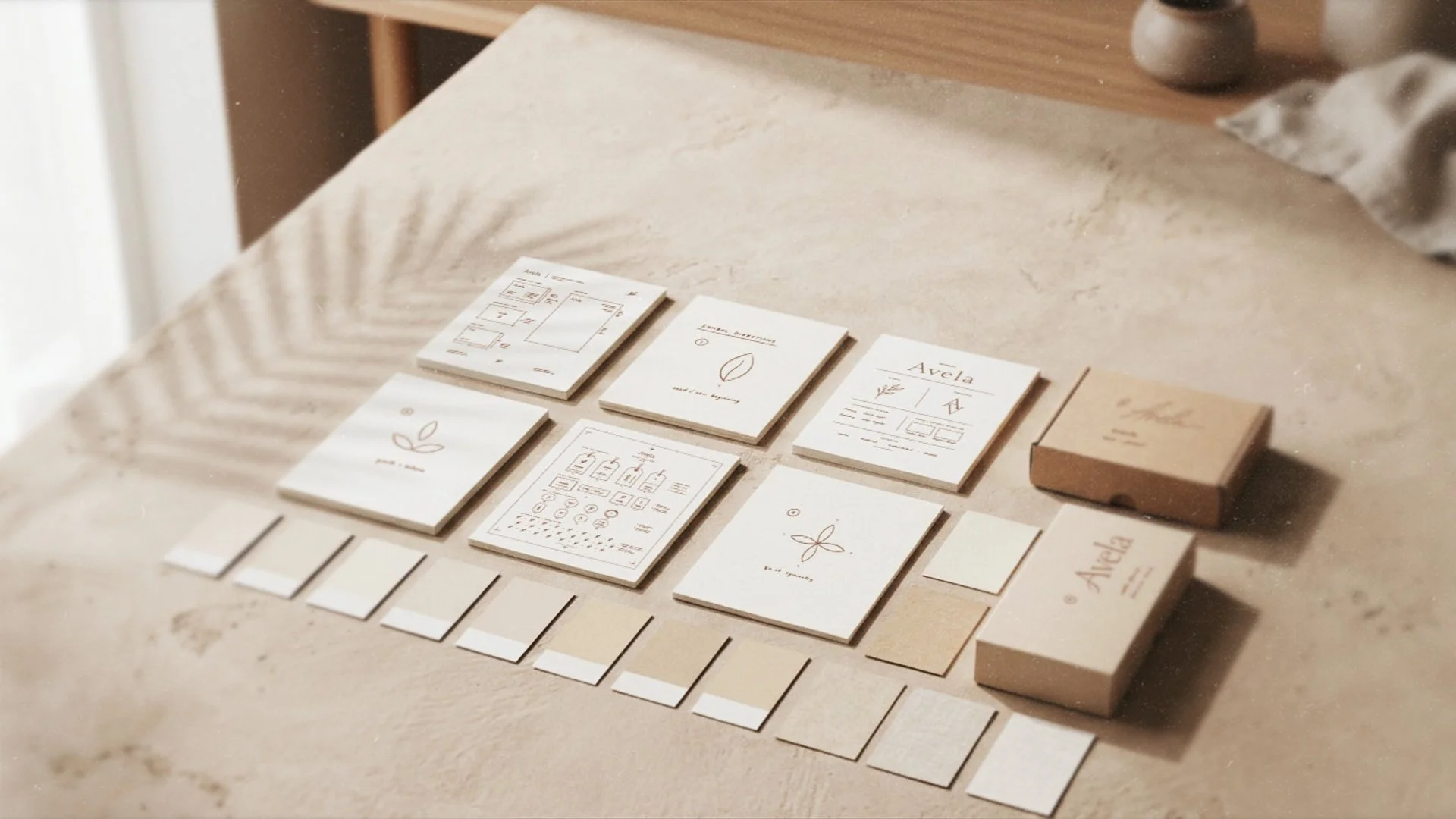
A familiar visual language can look beautiful, but still feel interchangeable.
Brand design has never been more visible. Every day, we see new identities, mockups, moodboards, packaging concepts and social media systems shared across websites, Instagram, Pinterest and Behance.
Many of them are beautiful.
But a lot of them also feel strangely familiar.
The same elegant serif fonts. The same soft neutral palettes. The same minimal logo marks. The same grainy textures. The same mockups. The same “timeless” language. The same visual references, repeated again and again.
It is not always bad design. Often, it is well made. But it can feel disconnected from the one thing a brand identity should actually do.
Make a brand feel specific.
In my previous article on AI in brand design, I wrote about why art direction matters more than ever. This is closely connected. Because whether a visual is created by a designer, a template or an AI tool, the real question is not whether it looks good.
The real question is whether it feels right for the brand.
Good taste is not enough
One reason many brands start to look the same is that good taste has become easier to access.
There are endless references available. Beautiful typography, polished mockups, curated colour palettes and aesthetic brand presentations are everywhere. This can be helpful, but it also creates a visual loop.
Designers and brands often look at the same references, save the same images and follow the same trends. The result is branding that feels tasteful, but not necessarily ownable.
A strong brand identity needs more than a beautiful moodboard. It needs a point of view.
It needs to answer questions like:
What should this brand feel like?
What should it avoid?
What makes it different from the brands around it?
What visual decisions are actually connected to its story, audience and context?
Without that direction, brand design can become decoration.
Trends are not the problem
Trends are not automatically a bad thing.
A trend can make a brand feel current. It can give visual language to something people already understand. It can help a young brand enter the market with a sense of familiarity.
The problem starts when the trend becomes the whole identity.
A beige colour palette does not make a brand thoughtful. A serif typeface does not make it premium. A minimal logo does not make it timeless. Grain does not make it editorial. A beautiful mockup does not make the brand stronger.
These elements only work when they are part of a larger idea.
That is where art direction matters.
Art direction decides how the brand should behave visually. It gives meaning to colour, typography, imagery, layout, texture and tone. It creates a world around the brand instead of just assembling nice parts.
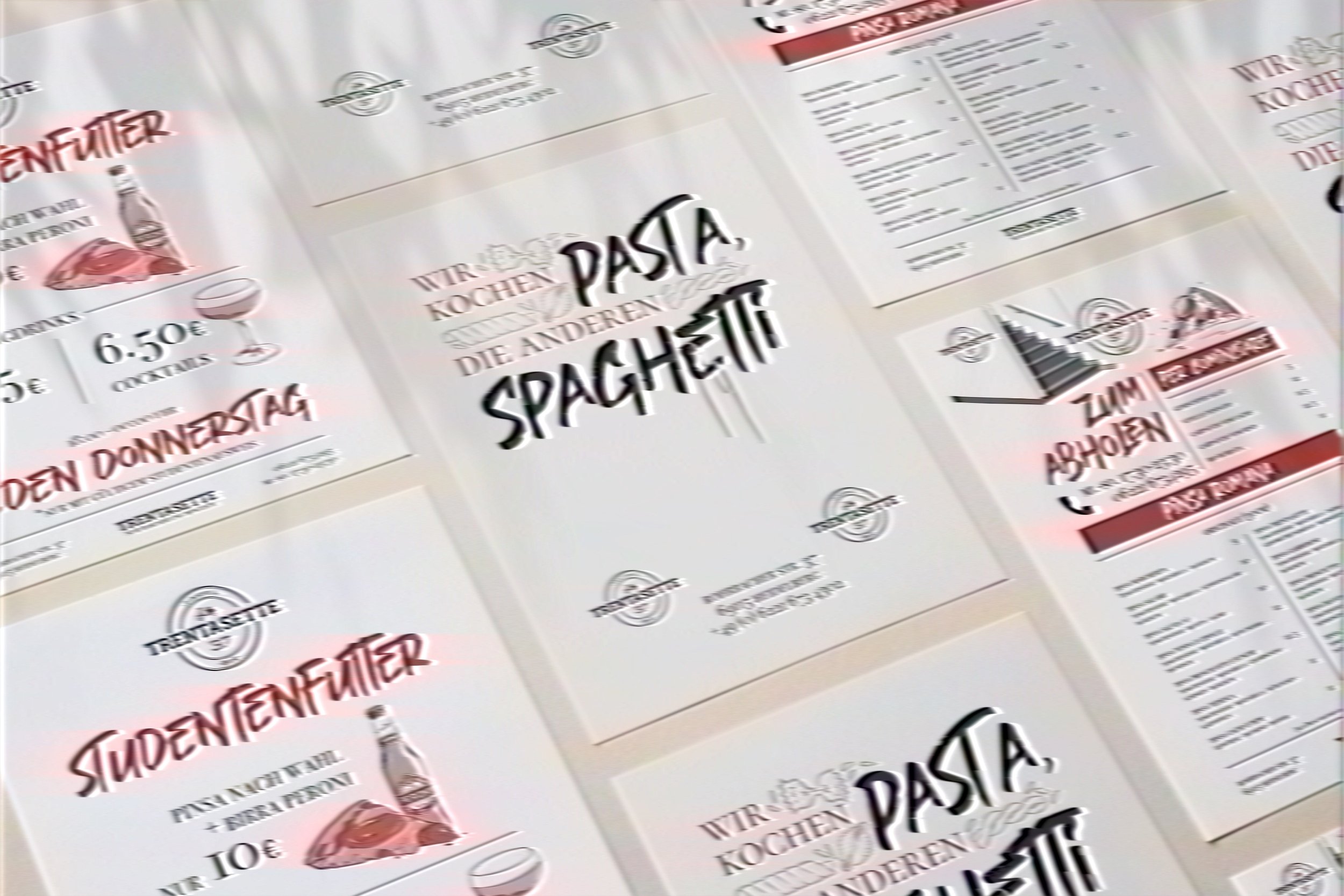
A distinctive brand world is built through detail, restraint and direction.
Distinctive does not mean loud
When people hear “stand out”, they often think a brand has to be bold, colourful or disruptive.
But distinction does not always mean being loud.
A brand can be quiet and still be memorable. It can be minimal and still feel specific. It can be soft, elegant or restrained without becoming generic.
The difference is intention.
A distinctive identity has details that feel considered. The spacing, the rhythm, the image direction, the tone of voice, the materials, the way the brand appears across print and digital. These details create recognition over time.
Most brands do not need more visual noise.
They need more clarity.
A brand should feel like it belongs to itself
The strongest identities feel like they could not simply be placed onto another business.
They are connected to something real: the location, the product, the audience, the founder, the atmosphere, the service, the values or the experience around the brand.
This is especially important in visual industries where many brands are trying to look premium, modern or timeless.
If every brand uses the same signals of quality, those signals stop feeling special.
A memorable brand identity is not built by copying what already looks successful. It is built by understanding what should feel true for that specific brand.
Less copying, more direction
The goal is not to ignore references. References are part of the process. They help define taste, mood and possibility.
But references should be a starting point, not the final answer.
Good brand design needs editing. It needs decisions. It needs someone to say no to things that look nice but do not fit. It needs consistency without becoming repetitive, and personality without becoming chaotic.
That is why strategy and art direction matter.
They turn visual inspiration into a clear identity system.
The brands that last are not just aesthetic
Aesthetic alone is fragile.
It changes quickly. What feels fresh today can feel overused tomorrow. But a brand with a clear direction has more depth. It can evolve without losing itself.
That is what makes a brand identity stronger over time.
Not just the logo.
Not just the colours.
Not just the mockups.
But the feeling people remember when everything works together.
A strong brand does not need to look like everything else to be taken seriously. It needs to look and feel like itself.
Looking for a brand identity that feels more considered?
If you are building a brand and want it to feel clear, distinctive and visually memorable, thoughtful art direction can help shape a stronger visual world.
[ brand identity services ] [ get in touch ]